
Smartphone design strongly influences smartphone purchases. Consumers care about a phone's appearance, feel, and use beyond performance. Brands now compete on style, materials, and customer comfort rather than technology. Excellent smartphone design combines beauty and utility, making it attractive and helpful. Compact bodies and foldable screens are emerging design concepts. Users want high-quality, durable, and attractive devices. This book covers 2026 smartphone design trends and how they improve user experience, helping you choose a device that stands out and meets your needs.
What Design Trends Define the Best Smartphones in 2026?
Slim Profiles, Materials, and Premium Build Quality
Smartphone manufacturers stress small designs and high-quality materials for a polished look and feel. Thin devices are lightweight and simple to handle for lengthy periods of time. Aluminum, glass, and ceramic are employed to create long-lasting, beautiful items. Matte finishes conceal fingerprints while adding beauty. The smooth edges and sturdy construction demonstrate attention to detail. These characteristics represent reliability and elegance. Companies must strike a balance between thinness, battery size, and durability to avoid compromises. A well-designed phone is sturdy but lightweight. Premium build quality improves looks and provides long-term enjoyment. Modern smartphone design is vital because people demand attractive, durable devices.
Foldable Phones and Innovative Form Factors
Foldable phones continue to affect smartphone design by offering new uses. These phones can switch between tiny and large screens, giving users additional options. Innovative hinges and greater durability make folding designs more reliable. Users may read, watch movies, and multitask on larger displays while carrying a pocket-sized device. Rollable concepts and other form aspects defy design norms. Brands experiment with designs and tactics to stand out in a competitive market. These advances change smartphone use, making the design more dynamic and helpful. Foldables are more costly, but they provide versatility. Technology makes these designs more practical, giving smartphone users a nice mix of creativity and everyday practicality.
Display Design: Bezels, Notches, and Under-Display Tech
Smartphone designers prioritise display design for immersive experiences. Slim bezels improve screen space, letting viewers watch without interruption. Many manufacturers reduce notches using punch hole cameras or under-display technology. Under display sensors and cameras keep screens clean, improving aesthetics. High refresh rates and bright displays simplify scrolling and viewing. Designers blend utility and aesthetics to improve performance and appearance. Well-designed displays increase enjoyment and productivity. Users get crisper pictures and increased interactivity. As technology advances, display features become less noticeable, creating seamless designs. This trend shows how display design innovation will shape smartphones and greatly boost customer satisfaction.
How Do Smartphone Designs Improve User Experience?
Ergonomics, Grip Comfort, and One-Handed Use
Smartphones feel better in your hand with a superb design. For long-term smartphone users, ergonomics is crucial to comfort. Curved edges, balanced weight, and textured surfaces improve grip. Huge or slippery phones might cause discomfort or drops. Smartphone designers are making them easier to use with one hand, particularly those with large screens. Screen reachability and button position affect usability. Well-balanced designs reduce strain and increase engagement. Products that feel natural and enjoyable after use benefit users. Ergonomics enhances smartphone use and pleasure. When comfort and usefulness are balanced, users feel confident using their gadgets in various situations without worry of drops or fatigue.
Durability: Water Resistance and Scratch Protection
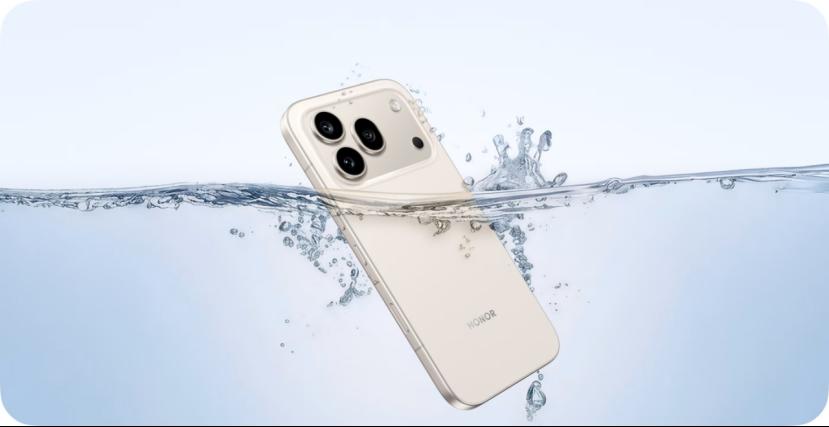
Durability has become an essential part of smartphone design, especially in models like the HONOR 600 Pro 5G smartphone in UK. Users expect smartphones to survive drops, spills, and scratches. Many cellphones are water- and dust-resistant to protect internal components. Glass with more strength resists scratches and mild impacts. Fall damage is reduced by reinforced frames. These features extend the device's lifespan and reduce maintenance costs. Brands invest in testing and engineering to ensure phone durability. A durable design gives clients everyday peace of mind. It also adds value over time since it preserves utility and aesthetics. Smartphone manufacturers prioritize safety and durability to create stylish, durable devices.
Aesthetics, Colors, and Personal Style Preferences
Smartphones represent personal style, thus aesthetics are important. Brands provide different colors, finishes, and textures for different preferences. Some people like bright colors, while others choose subdued ones for professionalism. Gradient finishes and unique patterns provide style without sacrificing function. Designers consider light and surface interactions to enhance appearance. A gorgeous phone increases user emotional connection. Personal style influences buying decisions as much as performance. A well-designed device should reflect the user's individuality. Manufacturers provide several phone designs, letting customers choose one that fits them. This combination of design and function turns telephones into personal accessories.
Conclusion
Smartphone design in 2026 involves more than just aesthetics; it also influences use, durability, and overall enjoyment. Design trends are fast evolving, with sleek structures and premium materials giving way to foldable inventions and enhanced displays. These enhancements increase device comfort, reliability, and visual appeal. Users increasingly demand smartphones to mix appearance and functionality, resulting in a better everyday experience. Ergonomic design, long-lasting sturdiness, and customized aesthetics all contribute to achieving these objectives. Choosing a smartphone with an intelligent design guarantees long-term value and delight. Understanding current trends and concentrating on practical advantages will allow you to choose a gadget that not only stands out but also successfully and consistently supports your lifestyle over time.