
Attention often feels limited in a world full of distractions. Yet smartphones, when used intentionally, can strengthen focus instead of weakening it. They provide tools that help people organize tasks, reduce mental clutter, and guide attention toward what matters most. Instead of relying only on memory, individuals can structure their day with reminders, schedules, and clear priorities. This changes how attention works. It becomes supported rather than strained. Smartphones act as external systems that help users stay on track, reduce confusion, and complete tasks with greater clarity. Understanding this role reveals how devices can improve attention in practical, everyday situations.

How Smartphones Support Structured Focus in Daily Activities?
Clear Task Lists Reduce Cognitive Load
Smartphones help users create structured task lists that organize daily responsibilities. Instead of keeping everything in mind, people record tasks in digital formats. This reduces cognitive load and frees mental space. When tasks are clearly listed, users know exactly what to focus on next. They do not waste time deciding where to start. This clarity improves attention by removing uncertainty. It also reduces stress, which often distracts focus. As a result, users can concentrate more effectively on one task at a time. Structured task lists turn scattered responsibilities into manageable steps that guide attention throughout the day.
Timed Reminders Guide Attention Flow
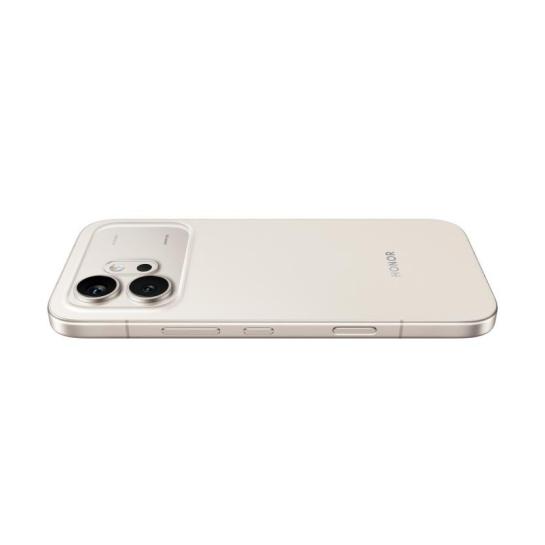
Smartphones allow users to set reminders for specific times or events. These reminders act as cues that redirect attention when needed. For example, a reminder can signal the start of a meeting, a break, or a task deadline. This reduces the need to constantly check the time or remember schedules. Attention shifts naturally based on these prompts. Users stay aligned with their plans without overthinking. Devices such as the HONOR 600 5G smartphone in UK support this type of structured scheduling, helping individuals manage their time efficiently while maintaining focus on current tasks. This system keeps attention organized and consistent throughout the day.
Focus Modes Minimize Unnecessary Interruptions
Smartphones offer focus modes that limit notifications and reduce distractions. Users can choose which apps or contacts can interrupt them during specific periods. This creates a controlled environment for concentration. Instead of reacting to every notification, users maintain their attention on the task at hand. This selective filtering improves productivity and reduces mental fragmentation. Over time, users develop stronger focus habits. They learn to separate periods of deep work from moments of communication. Focus modes transform smartphones from sources of distraction into tools that protect attention.
How Smartphones Enhance Attention Through Smart Interaction?
Contextual Information Keeps Tasks on Track
Smartphones provide context-aware information that supports attention. For example, navigation apps show directions step by step, while calendar apps display upcoming tasks. This reduces the need to switch between multiple sources of information. Users receive relevant details at the right moment. This helps them stay focused on their current activity without searching for additional input. Contextual support improves efficiency and reduces interruptions. It allows users to maintain a steady flow of attention, even when handling complex or unfamiliar tasks.
Micro-Tasking Helps Maintain Momentum
Smartphones enable users to complete small tasks quickly. These micro-tasks include replying to messages, checking updates, or reviewing notes. Completing these tasks in short bursts helps maintain momentum throughout the day. Instead of letting small responsibilities accumulate, users address them immediately. This prevents mental clutter and keeps attention clear. However, effective use of micro-tasking requires balance. When used intentionally, it supports productivity. Users can focus on larger tasks without being distracted by pending small actions, creating a smoother workflow.
Personalized Settings Adapt to User Behavior
Smartphones allow users to customize how they interact with their devices. They can adjust notification settings, organize apps, and choose how information is displayed. This personalization helps align the device with individual habits. When the interface matches user preferences, navigation becomes easier and faster. Users spend less time searching and more time focusing on tasks. Personalized settings also reduce unnecessary interruptions by prioritizing relevant information. This tailored experience supports attention by creating a more efficient and predictable environment for daily activities.
Conclusion
Smartphones can improve attention in daily tasks by providing structure, reducing cognitive load, and supporting focused interaction. Task lists and reminders guide attention, while focus modes minimize interruptions. Contextual information and micro-tasking help maintain momentum, and personalized settings adapt the device to individual needs. These features transform smartphones into tools that support clarity and efficiency rather than distraction. The impact depends on how users choose to engage with their devices. With intentional use, smartphones can strengthen attention and help individuals manage their responsibilities more effectively, creating a balanced and productive daily routine.