
Content creators utilise smartphones to make photos, videos, and social media posts. The right device may replace bulky cameras and computers, speeding up and adapting innovation. Not many smartphones meet today's manufacturers' high expectations for image quality, performance, and speed. Designers should invest wisely and prevent unnecessary upgrades by knowing which features are vital. This lesson covers essential smartphone features for content creation and how to pick a device that boosts creativity, efficiency, and consistency across platforms. Technologies that increase collaboration, editing accuracy, and performance during long sessions without interruptions or technical issues benefit creators. Smart choices boost results and value.
What Features Matter Most for Content Creators?
Camera Quality, Video Recording, and Stabilisation
Camera quality determines content professionalism. Modern smartphones include several lenses, larger sensors, and better image processing to improve clarity, colour, and dynamic range. 4K or 8K resolution, rapid frame rates, and HDR enable cinematic film. Electronic and optical stabilisation reduces vibration and makes handheld photography reliable. Correct exposure and focusing make subjects sharp under various lighting conditions. Daytime and low-light performance is essential for vlog, reel, and instructional makers. Designers can confidently capture high-quality photos anywhere with a sophisticated camera system that accelerates production and reduces hardware. This versatility promotes creative storytelling, minimises editing modifications, and ensures visual quality across platforms where engagement, reach, and audience trust depend on it.
Processing Power for Editing and Multitasking
Computing power is needed for smartphone editing, graphics, and multitasking. Content developers use sophisticated video, picture, and social media. A fast CPU and ample RAM are needed for smooth operation without lag or crashes. Exporting HD films or applying complicated filters requires powerful CPUs and GPUs. Speed boosts real-time preview accuracy, helping editors make quicker judgments. Multitasking is needed while switching shows, uploading material, and replying to audiences. Optimised chipsets keep cellphones cool and responsive for long periods. Having constant processing power lets producers concentrate on excellent materials rather than technological issues. Better speed permits software upgrades and added capabilities, keeping the device usable as content needs expand, and platforms offer complicated tools.
Storage Capacity and File Management for Large Media
Storage capacity impacts how much content creators may store on their devices. When filming in 4K or higher quality, high-resolution photos and videos take up space. Smartphones with large storage capacities reduce the need to wipe data or utilise other solutions. Faster storage speeds improve file transfers, application startup, and editing. Using good file management tools to organise projects allows for quicker information discovery, editing, and publication. Strong local storage is essential for offline work, while cloud integration facilitates backup and data preservation. Devices with expandable storage or greater storage choices enable artists to handle growing media libraries without losing productivity. This flexibility allows artists to film indefinitely and organise archives for long-term projects and continual distribution across several media.
How to Choose the Right Smartphone for Content Creation?
Display Accuracy and Screen Quality for Editing
Display quality matters while editing and reviewing content. Producers use realistic colours, brightness, and high resolutions for platform consistency. OLED or high-quality LCD displays improve colour and contrast. Displays with high resolution enable precise editing, while higher refresh rates aid app and timeline navigation. Bright displays promote artists. DCI-P3 compliance and colour calibration improve editing accuracy. Displays that lessen eye strain over time let writers work safely. A dependable and bright smartphone display ensures edits match real-world output and preserve visual integrity. A better display helps identify subtle colour differences, eliminate editing errors, and provide realistic, balanced content across devices, platforms, and viewing conditions.
Battery Life and Charging for Long Shooting Sessions
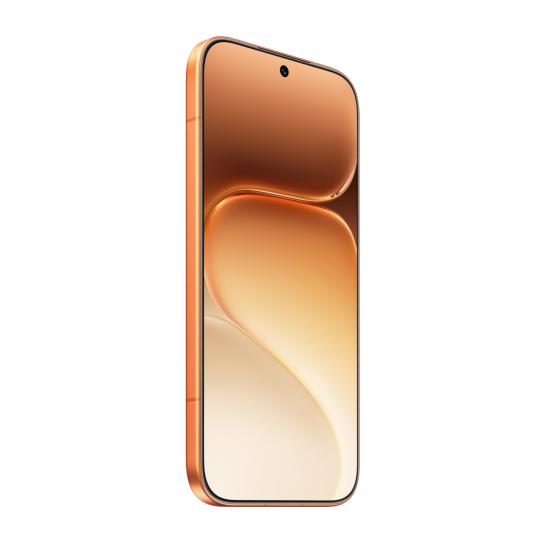
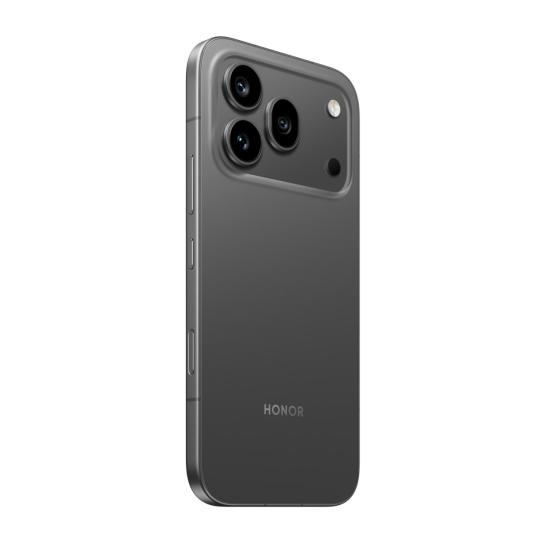
Battery life directly impacts how long creators can shoot, edit, and publish without interruptions. The HONOR 600 Pro 5G smartphone addresses this with a powerful 7000mAh long-life battery that supports all-day content creation with ease. Creators can record long video sessions, handle edits, and remain connected without continually monitoring battery levels. Its 5-year battery life assures long-term dependability and reduces the need for frequent replacements. When power runs low, the 80W HONOR Wired SuperCharge recharges the device in minutes, allowing processes to continue uninterrupted. The 27W wired reverse charging allows producers to charge additional gadgets on the road. Efficient power management ensures consistent performance throughout demanding activities, avoiding unexpected shutdowns. This combination of endurance and rapid charging allows artists to work longer, capture more, and remain productive throughout hectic shooting schedules.
Software Tools, Apps, and Creator-Friendly Features
Creators can effectively create and distribute content using apps and software. Phones with advanced ecosystems provide professional editing, photography, and social media applications. AI advances, user-friendly interfaces, and advanced cameras make creation simpler. Regular software upgrades boost speed, security, and app compatibility. Smooth cloud and device integration boosts productivity. Creators may customise parameters. Editing and uploading work on reliable OSes. A smartphone with advanced software helps producers enhance productivity, content quality, and platform uniformity. Advanced capabilities include file sharing, cross-platform synchronisation, and automation tools that let artists manage creative pipelines and publish more quickly without manual processes.
Conclusion
Choosing the best smartphone for multimedia production necessitates balancing performance, camera quality, and usability. Creators should prioritise features that directly benefit their workflow above pursuing trends or superfluous specs. A device with a powerful camera, dependable performance, enough storage, and a long battery life can handle the majority of creative jobs. Display quality and software support improve editing accuracy and efficiency. Investing in the proper smartphone allows producers to generate consistent, high-quality content while saving time and effort. By recognising important aspects and matching them to specific requirements, artists may choose a device that promotes development, creativity, and long-term success in a competitive digital world. This technique provides improved decision-making and a more efficient creative process across all content types.